SCG Chemicals (SCGC) places great importance on conducting business based on sustainability across economic, social, and environmental dimensions. The Company has applied the Sufficiency Economy Philosophy and developed it into a clear and practical framework through the Sufficiency Economy Standard for the Industrial Sector (TIS 9999). This framework aims to enhance organizational balance, resilience, and long-term sustainable growth.
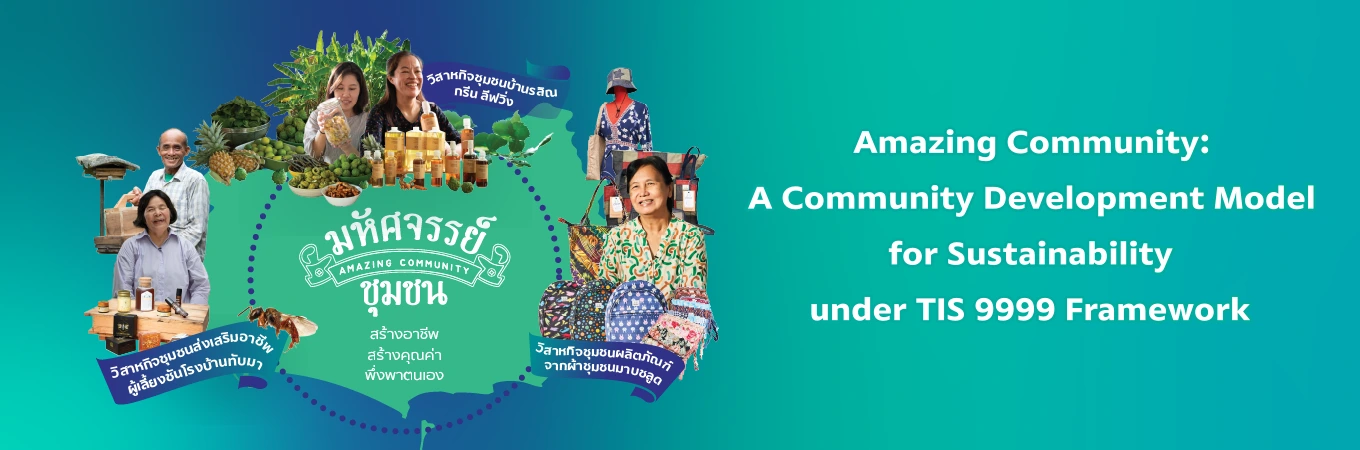
Under this concept, SCGC has developed the “Amazing Community” model, which serves as a key mechanism to drive tangible community development. The model focuses on strengthening communities from the grassroots level by enhancing the capabilities of community enterprises, creating meaningful livelihoods, and expanding economic opportunities to a broader scale.
Strategic Community Development: From Local Potential to Sustainable Value Creation
The “Amazing Community” model is designed in alignment with the Sustainable Development Goals (SDGs) and the ESG (Environmental, Social, Governance) framework. It emphasizes reducing inequality and systematically creating economic opportunities for grassroots communities. The approach highlights: ● Leveraging local resources and strengths ● Enhing product value creation ● Expanding access to diverse market channels
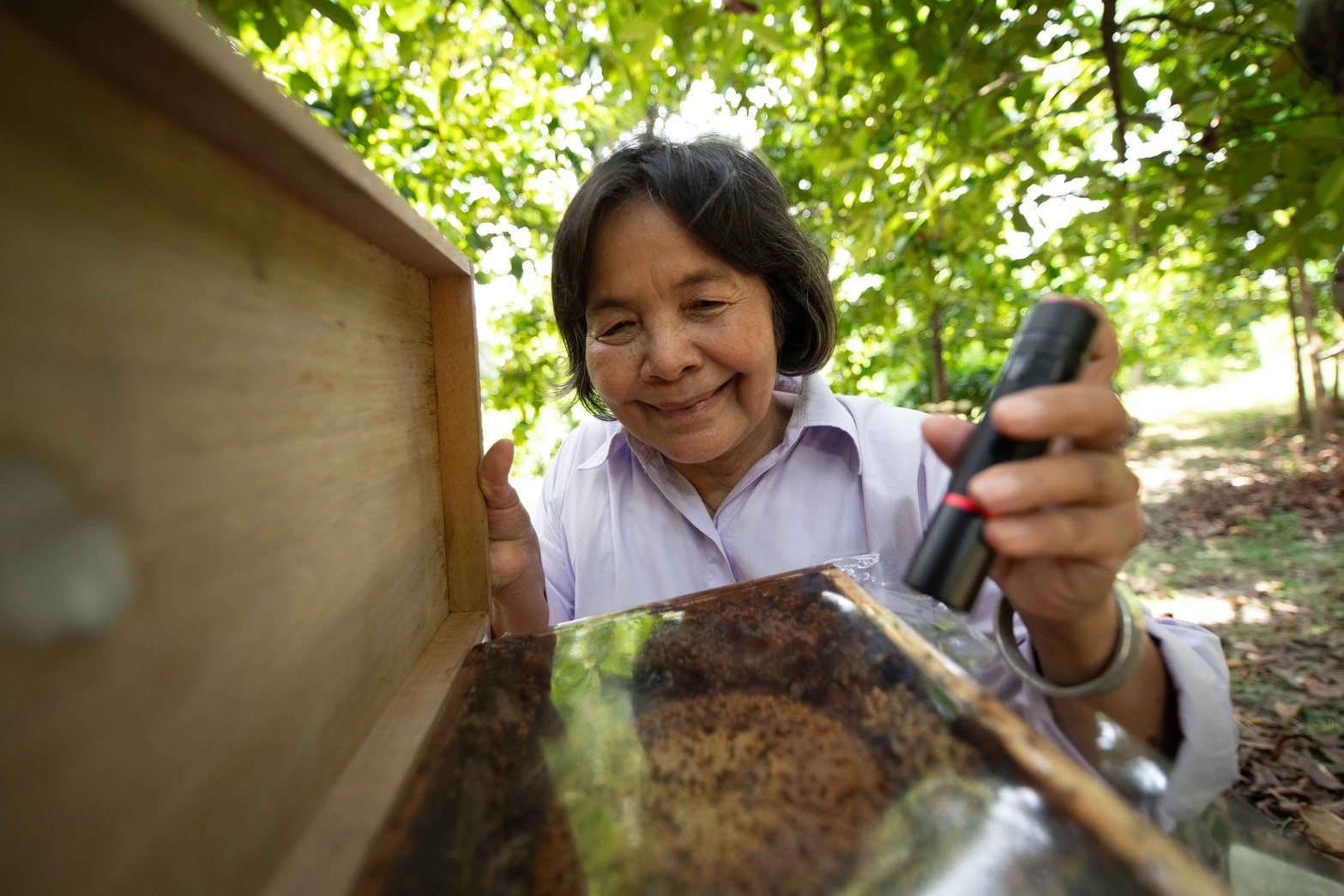
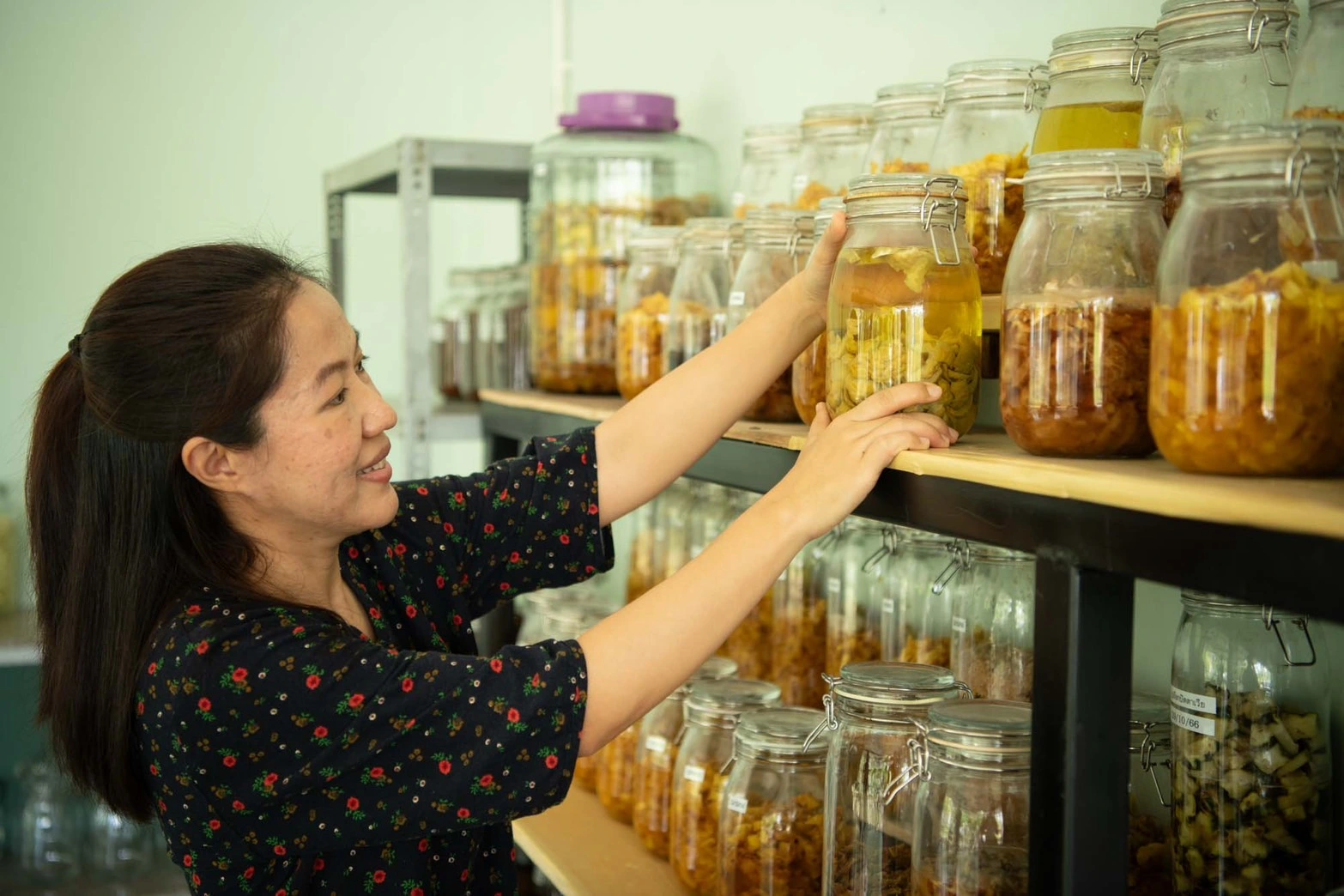
Through collaboration between SCGC and communities, the model strengthens competitiveness, promotes meaningful job creation, and generates positive impacts on society and the environment. It also showcases community potential and inspires society through the remarkable contributions of three communities across three generations: the elderly, women, and youth.
Translating TIS 9999 Principles into Practice
The “Amazing Community” model clearly demonstrates the practical application of TIS 9999 principles, encompassing three core elements: moderation, reasonableness, and good immunity. These principles are implemented under two key conditions, knowledge and morality, which serve as the foundation for sustainable and balanced development.
Moderation: Efficient Resource Management
The model operates on the principle of making appropriate use of available resources in alignment with local potential. It seeks to balance production volume, product quality, and the ecosystem’s carrying capacity.
This approach: Minimizes the risk of overinvestment; Supports stable long-term growth; Encourages communities to utilize local resources appropriately; Promotes production levels that match actual capacity, and Designs livelihoods suitable for members’ limitations. This reflects the sustainable management principles of TIS 9999.
Reasonableness: Data-Driven Decision-Making
The model is implemented through systematic planning grounded in empirical data, supported by experimentation, and enriched through continuous learning from real-world experiences.
SCGC supports continuous improvement in: product development, production processes and distribution channels. This ensures alignment with market demands and changing contexts, reflecting efficient management practices under TIS 9999.
Good Immunity: Readiness and Adaptability
Community enterprise grouping strengthens both economic and social resilience by enabling resource sharing, reducing costs, and enhancing competitiveness. SCGC further supports communities through knowledge transfer, technology adoption, and the development of standards and certification. Together, these efforts enhance the communities’ adaptability and preparedness for uncertainties and change.
Knowledge: Continuous and Systematic Development
Human capital development is a key driver of sustainability. SCGC promotes learning through training programs, knowledge exchange, and the application of new technologies. These initiatives help strengthen the capabilities of community enterprises and support their continuous and sustainable development.
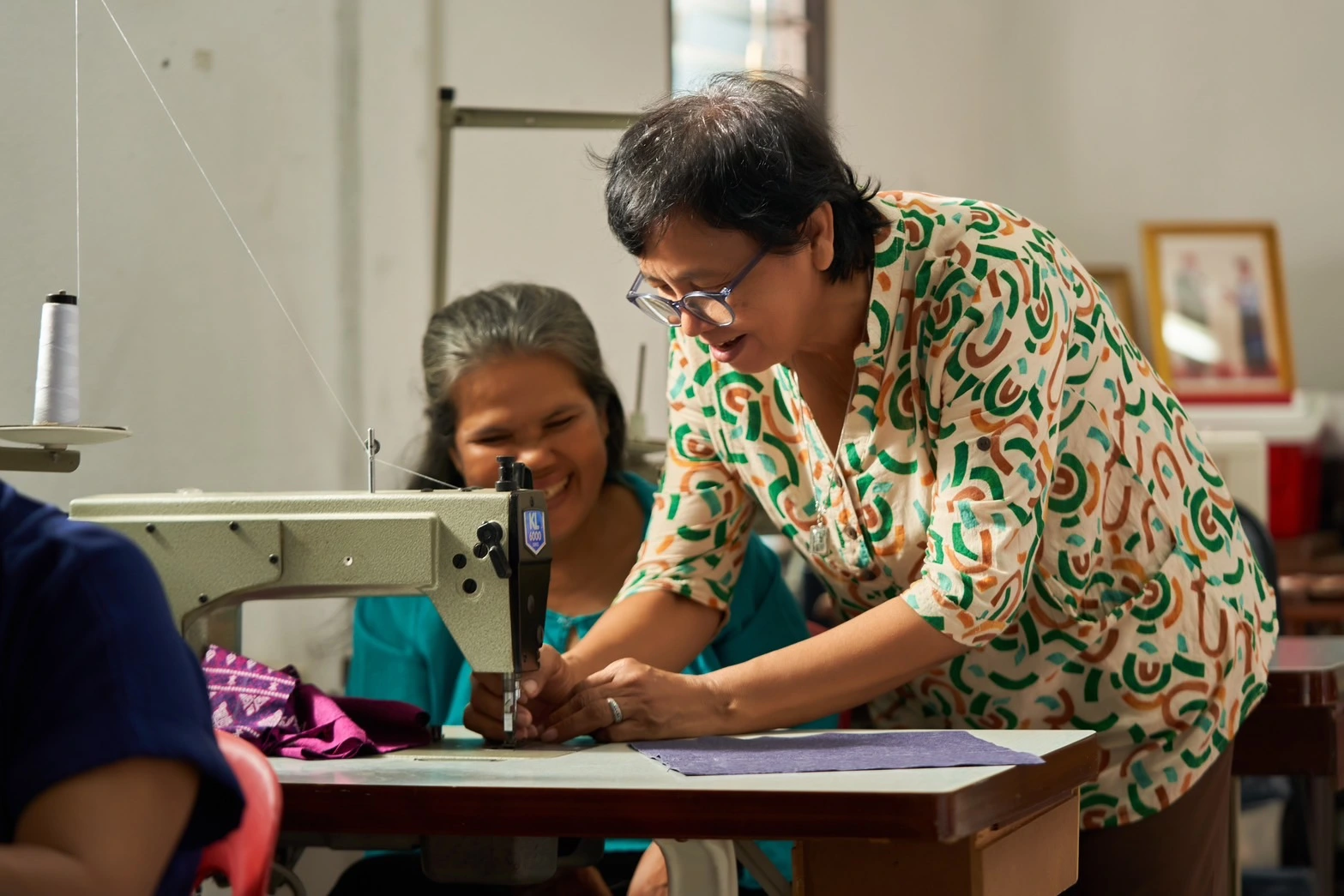
Additionally, collaborative learning is used to design “success models” for community enterprises, such as: Product development; Sewing and craftsmanship skills; Business management knowledge; Online marketing. amd Participation in trade fairs and events. For example, the community enterprise of textile products in Map Chalut, Rayong Province.
Integrity: The Foundation of Sustainable Growth
The model is grounded in good governance, transparency, and social responsibility. Community members work collaboratively in unity, with a shared commitment to prioritizing the common good.
A notable example is the development of the “Baan Noo Mee” e-Commerce platform, which connects community products to online markets, expands business opportunities, and distributes income more widely across communities.
Creating Shared Value in Practice. The “Amazing Community” model generates benefits beyond the community level, contributing positively to society and the broader economy: Social dimension: Reduces inequality and improves quality of life; Economic dimension: Strengthens grassroots economy; Environmental dimension: Promotes responsible and sustainable resource use. This approach reflects the creation of “shared value” between the organization and communities—an essential foundation for long-term sustainable development.