In today's business landscape, which constantly faces volatility, uncertainty, and complex challenges, organizations that successfully balance economic growth, social responsibility, and long-term sustainability gain a distinct competitive advantage. The "Sufficiency Economy Guidelines for Industries," or the TIS 9999 standard, was developed as a key framework to practically apply the Sufficiency Economy Philosophy to the industrial sector.
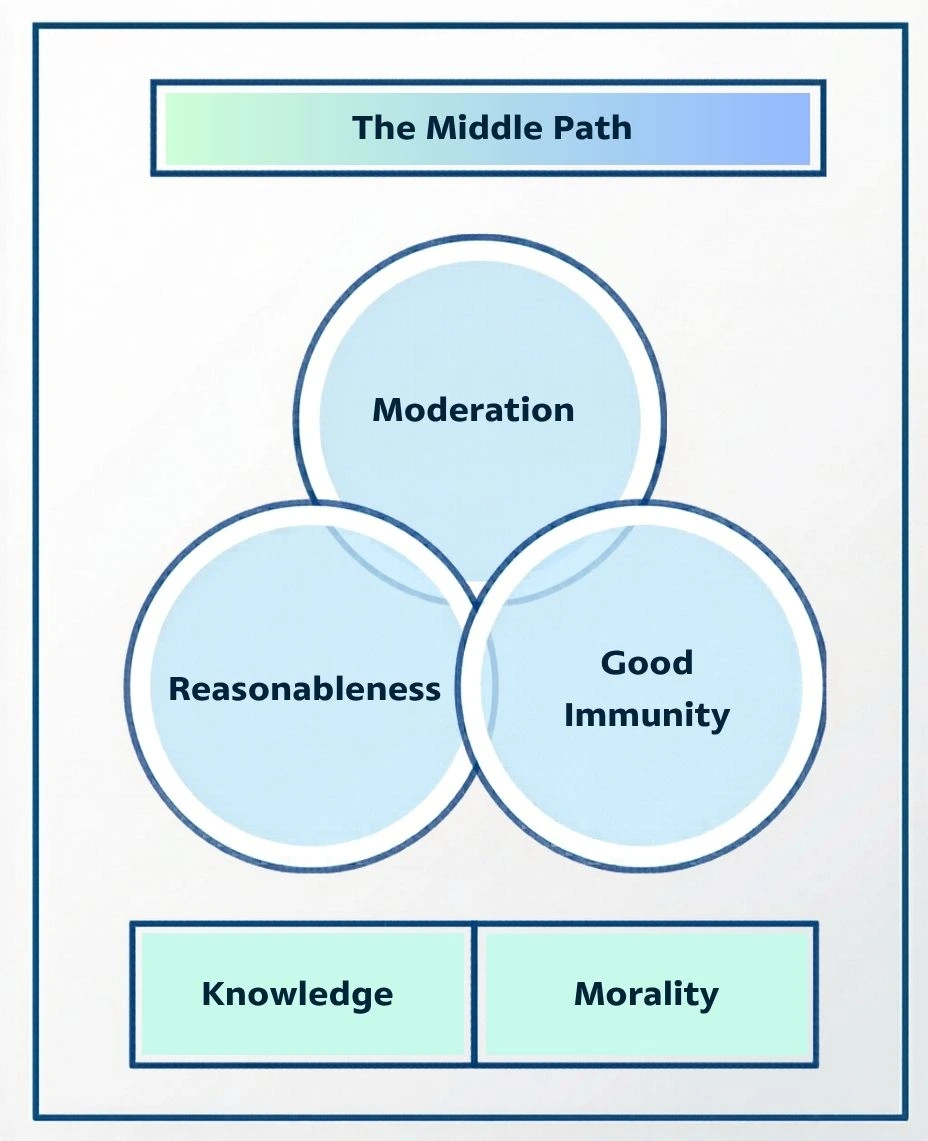
This standard serves not just as a practical guideline, but as a strategic tool that enables organizations to manage resources, make rational decisions, and build immunity against various risks. It operates under the framework of "3 components and 2 conditions," which includes Moderation, Reasonableness, and Good Immunity, supported by the conditions of Knowledge and Morality.
Moderation: Creating Balance and Optimizing Resources
The heart of "Moderation" is finding the right balance in business operations, neither too much nor too little, but at a level appropriate for the organization's context and the business environment. In practice, SCGC drives this principle by focusing on increasing efficiency and utilizing resources cost-effectively. Initiatives include Focused Improvement (FI), AI adoption, and innovation.
These actions help the organization maximize resource efficiency, eliminate unnecessary costs, and sustainably create added value, which directly impacts long-term competitiveness. Importantly, "Moderation" does not mean restricting growth; rather, it promotes quality growth that considers economic, social, and environmental impacts.
Reasonableness: Data-Driven Decision Making and Governance
Good decision-making in a corporate context cannot rely solely on experience or intuition. It must be based on data, analysis, and systematic processes under the principle of "Reasonableness." SCGC has developed tools and processes to support this, including: Medium Term Plan (MTP) and Action Plan (AP), Integration Business Excellence (IBE), and Governance, Risk, and Compliance (GRC)
Using these tools helps SCGC deeply analyze data and accurately assess future scenarios, leading to more precise decisions, reduced risks from uncertainty, and efficient resource allocation.
Furthermore, Good Governance creates transparency, accountability, and trust among stakeholders, serving as a crucial factor for long-term sustainability.
Good Immunity: Risk Management and Business Continuity
In a rapidly changing world, SCGC needs "immunity" to cope with uncertainties across economic, technological, geopolitical, and environmental fronts. SCGC builds this immunity through proactive risk management processes:
- Risk Management Committee (RMC): Establishes policies and frameworks for enterprise-wide risk management.
- Process Hazard Analysis (PHA): A systematic process to identify and assess potential risks in production to prevent adverse events.
- Business Continuity Management (BCM): Holistic management ensuring the organization can continue operating or recover quickly during crises or disruptions.
These processes enable SCGC to foresee risks, plan responses, and systematically mitigate impacts. BCM, in particular, ensures operational continuity during crises like natural disasters or economic downturns, resulting in organizational Resilience—a key trait of sustainable organizations.
Knowledge: Continuous Human Capital Development
"Knowledge" is an essential condition for effectively implementing the 3 components. SCGC prioritizes systematic personnel development through: Individual Development Plans (IDP), The 70:20:10 Learning Process: Emphasizes learning from real experience (70%), learning from others (20%), and formal training (10%).
This approach ensures SCGC employees develop well-rounded skills suited for real-world work contexts. Investing in Human Capital not only boosts operational efficiency but also builds stakeholder confidence and strengthens long-term competitiveness.
Morality: Building a Transparent and Ethical Corporate Culture
Beyond knowledge, "Morality" is the foundational pillar of sustainable business operations. SCGC instills this through:
- 4 Core Values: The foundation of business ideals, which are Adherence to Fairness, Dedication to Excellence, Belief in the Value of the Individual, and Concern for Social Responsibility.
- Code of Conduct: SCGC’s written ethics based on good corporate governance.
- TEAM Working Approach: Trust, Empowerment, Agile, and Motivated.
These elements define desirable behaviors, foster a transparent corporate culture, and promote efficient collaboration. When SCGC personnel adhere to these moral principles, it leads to correct, responsible decisions that consider social and environmental impacts.
From Concept to Practical Results: Integration for the Future
Applying the TIS 9999 standard is not just about compliance; it is about elevating the corporate mindset and systematically transforming business operations. By integrating the "3 components and 2 conditions," SCGC has achieved clear results:
Maximum resource efficiency ● Accurate decision-making and risk reduction ● Adaptability to change ● Sustainable value creation ● Trust from stakeholders Ultimately, all these elements drive SCGC toward its highest organizational goal: Balance, Prosperity, and Sustainability.