Today's business landscape is being reshaped by a "Poly Crisis"—multiple global challenges occurring simultaneously, including geopolitical conflicts, economic volatility, rising energy costs, climate change, and increasingly stringent environmental regulations imposed by trading partners. Together, these forces are rapidly redefining the rules of global competition.
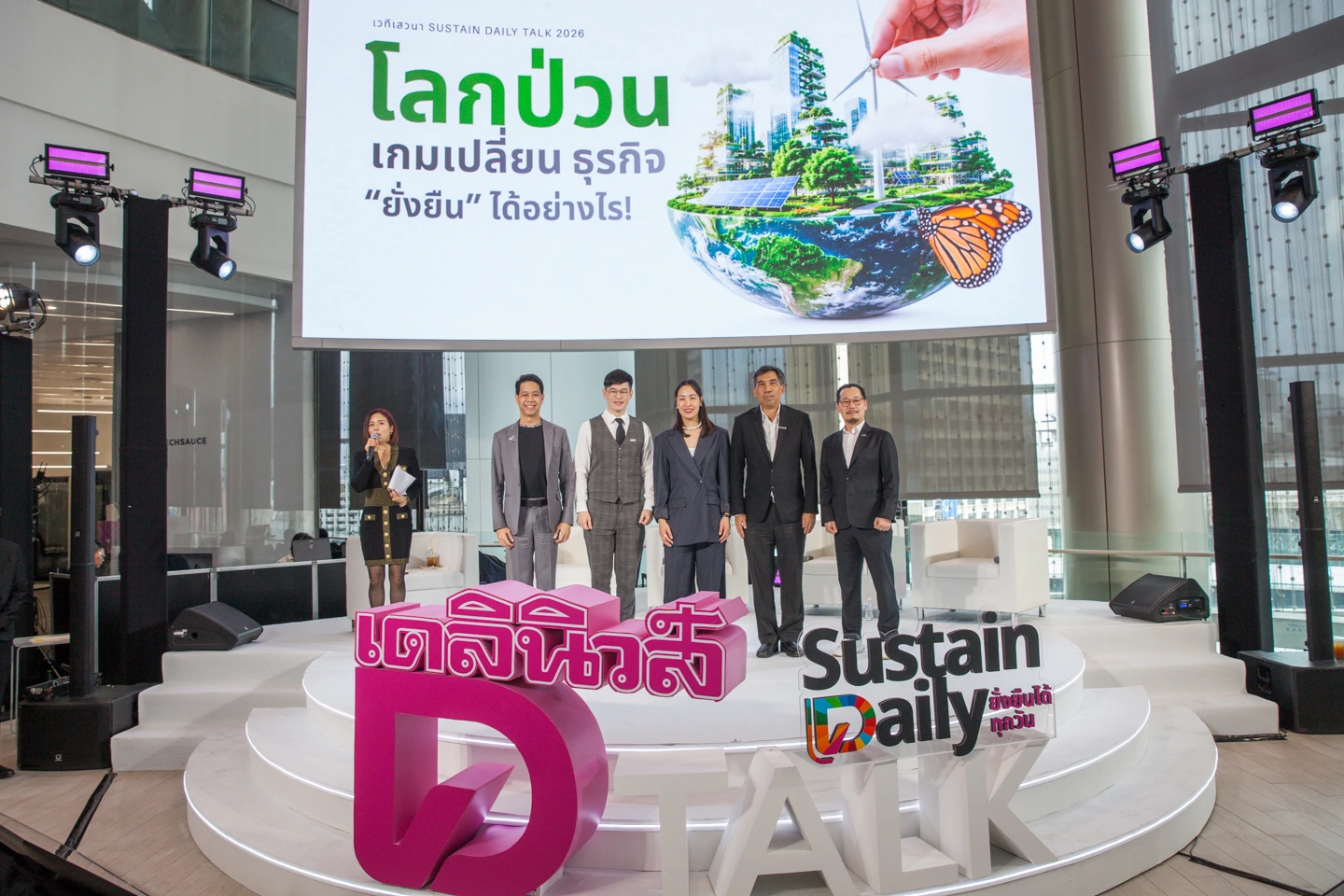
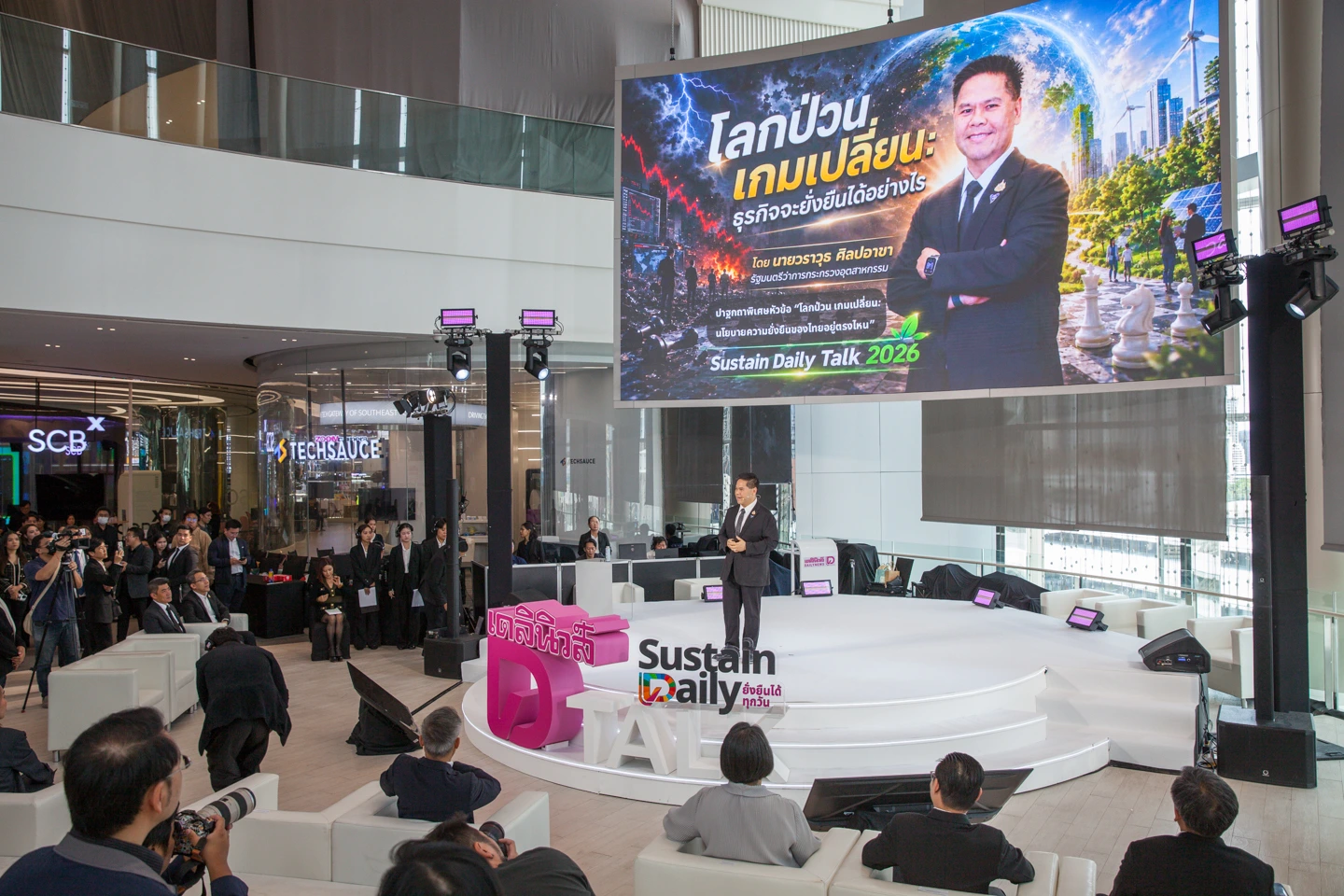
These issues were at the heart of Sustain Daily Talk 2026, held under the theme "A Changing World, A New Business Game: How Can Businesses Achieve Sustainable Growth?" The discussion reinforced a clear message: sustainability is no longer just a global trend—it has become a fundamental driver of long-term competitiveness and business growth.
New Global Rules Require New Business Strategies
In the short term, businesses must navigate rising energy prices, climate-related disruptions, and ongoing economic uncertainty. At the same time, emerging regulations such as the Carbon Border Adjustment Mechanism (CBAM), the European Union Deforestation Regulation (EUDR), and other environmental requirements introduced by key trading partners are becoming essential conditions for accessing global markets.
Looking ahead, climate change will increasingly affect every industry—from agriculture and food production to energy-intensive sectors such as data centers. As a result, reducing greenhouse gas emissions, improving resource efficiency, and advancing the Circular Economy are no longer solely environmental initiatives; they have become critical business imperatives.
ESG: From Cost to Competitive Advantage
Panelists agreed that Environmental, Social, and Governance (ESG) should not be viewed as a cost or compliance burden, but rather as a strategic investment in future growth.
Integrating ESG into business operations strengthens investor confidence, improves access to green finance, and enables companies to meet growing global demand for environmentally and socially responsible products. While consumers may not always be willing to pay a premium for sustainable products, businesses that fail to demonstrate credible ESG commitments increasingly risk being excluded from purchasing decisions altogether.
"ESG is no longer a market differentiator—it is becoming a basic business requirement for companies seeking long-term resilience and sustainable growth.
SMEs Can Start Today
Thailand is home to more than 3.3 million small and medium-sized enterprises (SMEs), many of which understandably prioritize business survival. However, adopting ESG does not necessarily require significant investment or large-scale transformation from the outset. The discussion introduced the simple SOS framework as a practical starting point:
- Small – Start with manageable initiatives or focus on a specific customer segment.
- Open – Communicate transparently. Share what has been achieved, acknowledge what has not, and avoid overstating sustainability claims.
- Speed – Take action early, as moving first creates a competitive advantage.
Sustainability is therefore not a distant aspiration, but a gateway to new markets and future business opportunities.
SCGC Drives Sustainability Through Innovation and Collaboration
For SCGC, sustainability has long been embedded in the company's business strategy, with continuous focus on creating value for stakeholders across the value chain, including customers, communities, and society.
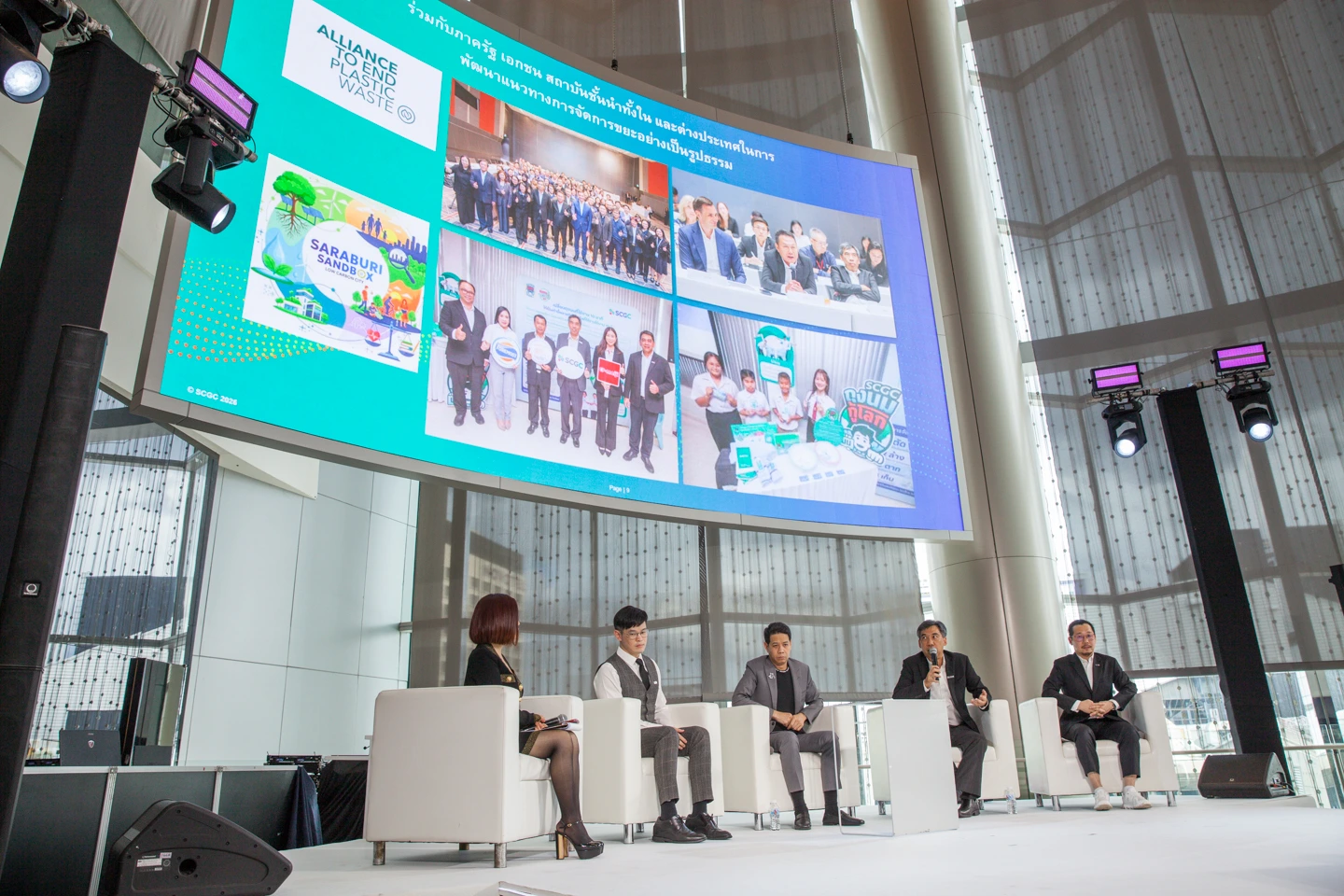
SCGC continues to develop High Value Added Products that address environmental needs while advancing the Circular Economy through plastic recycling, Advanced Recycling technologies, and partnerships with organizations both in Thailand and internationally. These collaborative efforts help transform used plastics into valuable new resources through efficient recycling systems.
The company also actively supports environmental and community engagement initiatives. Examples include the Saraburi Sandbox project, which promotes the collection and recycling of used milk cartons through a pilot program involving 20 model schools in collaboration with public and private sector partners. In addition, SCGC has partnered with the Alliance to End Plastic Waste (AEPW) to host an Executive Roundtable aimed at advancing circular economy solutions for plastics in Thailand.
Sustainability Begins with the Right Mindset
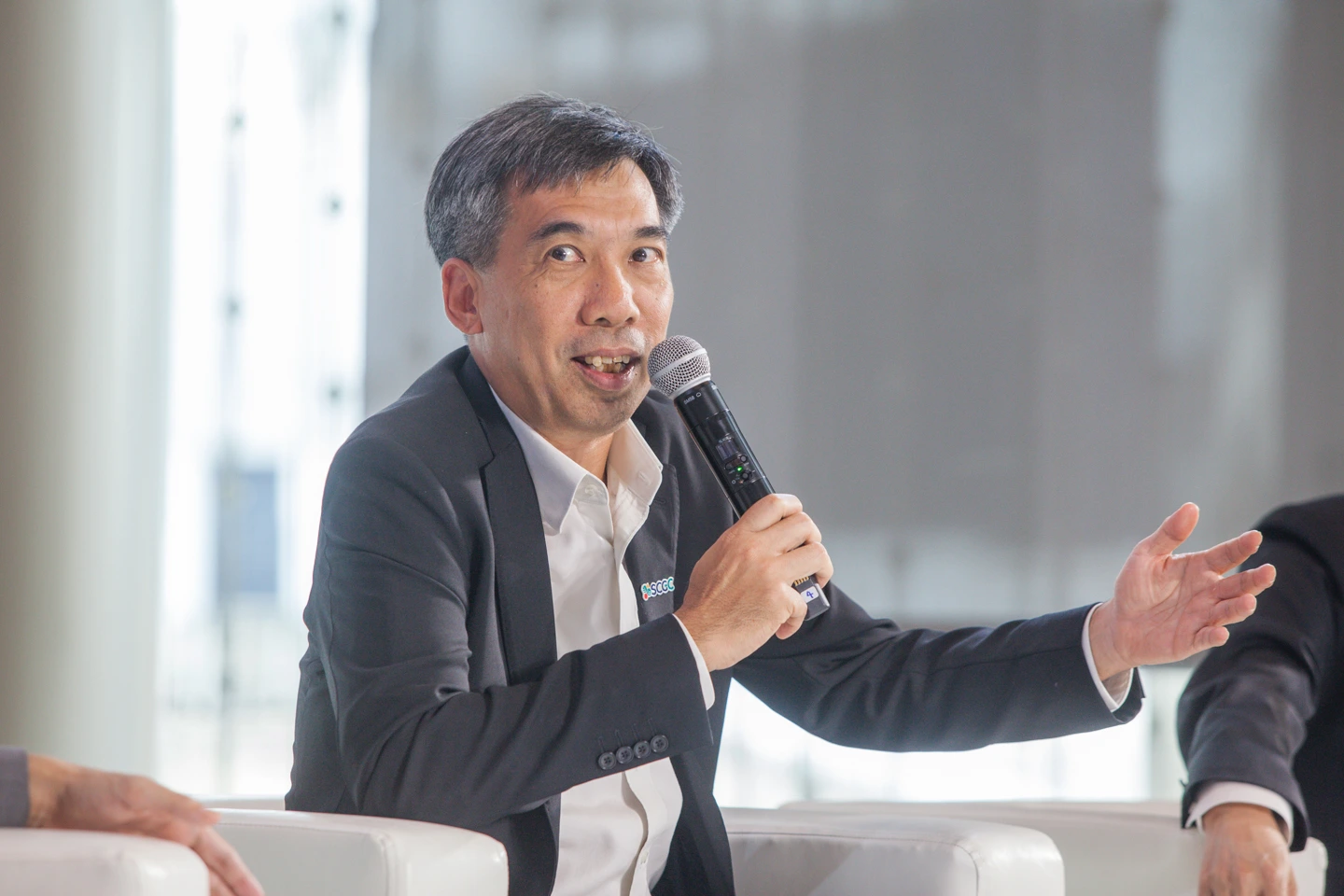
Another key perspective shared during the discussion came from Dr. Suracha Udomsaks, Chief Operations and Innovation Officer of SCGC, who represented the industrial sector on the panel. Dr. Suracha emphasized that the Philosophy of Sufficiency Economy remains highly relevant for modern business. Its principles of moderation, reasonableness, and resilience—supported by knowledge and integrity—provide a practical framework for building businesses that can adapt and grow sustainably amid today's uncertainties.
Ultimately, all speakers agreed that the world is changing too rapidly to wait until every condition is perfect. Businesses must rethink their strategies and act now. Sustainability is no longer simply a way to respond to change—it is the foundation for future growth.
Achieving a sustainable business transformation requires collaboration across all sectors, including governments, private enterprises, businesses of every size, and society as a whole. Together, they can build an economy that remains competitive while creating positive outcomes for people and the environment. In a world where the rules of business are evolving, sustainability is no longer optional—it is the new standard for future growth.